

World Blood Donor Day: Honoring the Lifesavers Among Us
Every year on June 14, people across the globe observe World Blood Donor Day. This important day is dedicated to recognizing and appreciating the silent heroes among us—voluntary blood donors who selflessly give a part of themselves to save the lives of others. The day also serves as a powerful reminder of the continued need for safe blood and the importance of regular donations.
The significance of the date lies in the birth anniversary of Karl Landsteiner, the Nobel Prize-winning scientist who discovered the ABO blood group system. His contribution made safe blood transfusions possible, laying the groundwork for modern medical practices.
Blood is essential to life. It cannot be manufactured in a lab or produced artificially. Hospitals rely entirely on healthy individuals to step forward and donate blood. The demand is constant. Every few seconds, someone, somewhere in the world, needs a blood transfusion—whether due to an accident, surgery, childbirth complications, or illnesses such as cancer, anemia, or thalassemia. A single unit of blood can save up to three lives, making each donation a powerful act of kindness.
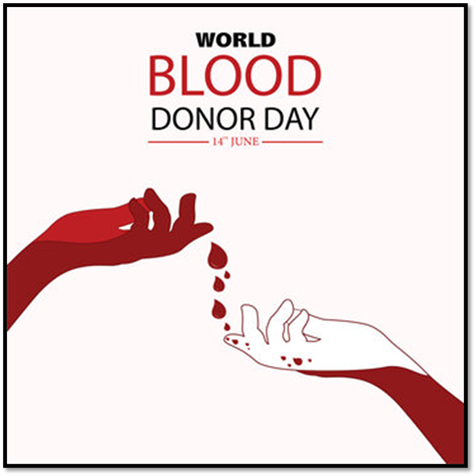
World Blood Donor Day exists not just to celebrate donors, but to spread awareness. It aims to encourage more people to become regular donors and to highlight the importance of creating a sustainable blood supply through voluntary and unpaid donations. When individuals donate blood out of goodwill, without any compensation, it reduces the risk of contaminated or unsafe donations and strengthens the trustworthiness of the healthcare system.
This day is also an opportunity for governments and healthcare institutions to evaluate their blood services. They are encouraged to improve donor care, invest in better infrastructure and ensure that every patient has timely access to safe and quality-assured blood and blood products. In many developing countries, blood shortages remain a critical problem, often leading to preventable deaths. Raising awareness and building donor-friendly systems are essential to overcoming these challenges.
So, what makes someone eligible to donate blood? In most cases, adults between the ages of 18 and 65, who weigh at least 50 kilograms and are in good health, can donate. There are basic health screenings and simple eligibility checks to ensure the safety of both the donor and the recipient. Contrary to common misconceptions, blood donation is a safe, quick and relatively painless process. The body quickly replenishes the lost blood and donors are usually able to resume their normal activities shortly afterward.
One of the most inspiring aspects of blood donation is that it is a pure form of giving—there are no expectations, no conditions and no boundaries. It cuts across all differences. Whether you are rich or poor, young or old, your blood carries the same power to heal. Donating blood is a shared human responsibility and the more people understand this, the closer we get to ensuring that no patient dies due to a lack of blood.
On this World Blood Donor Day, take a moment to thank those who donate. If you have never donated before, consider doing it for the first time. If you are already a donor, think about committing to regular donations and inspiring others to join you. Your contribution could be the difference between life and death for someone in need.
By donating blood, you are not just giving away something from your body—you are giving hope, time and a second chance at life. That is a gift beyond measure.
By: Mr. Manu Benny (Customer Service Executive – Kochi)